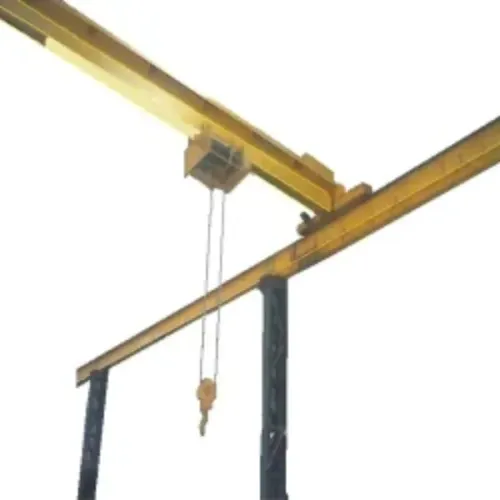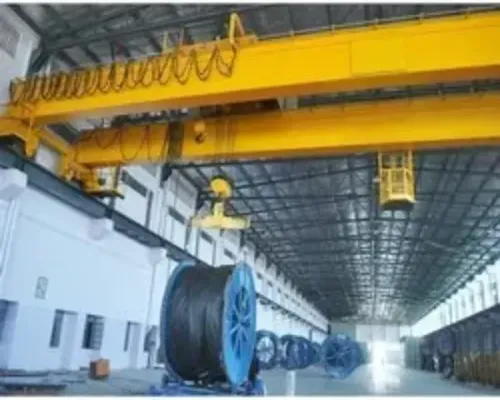
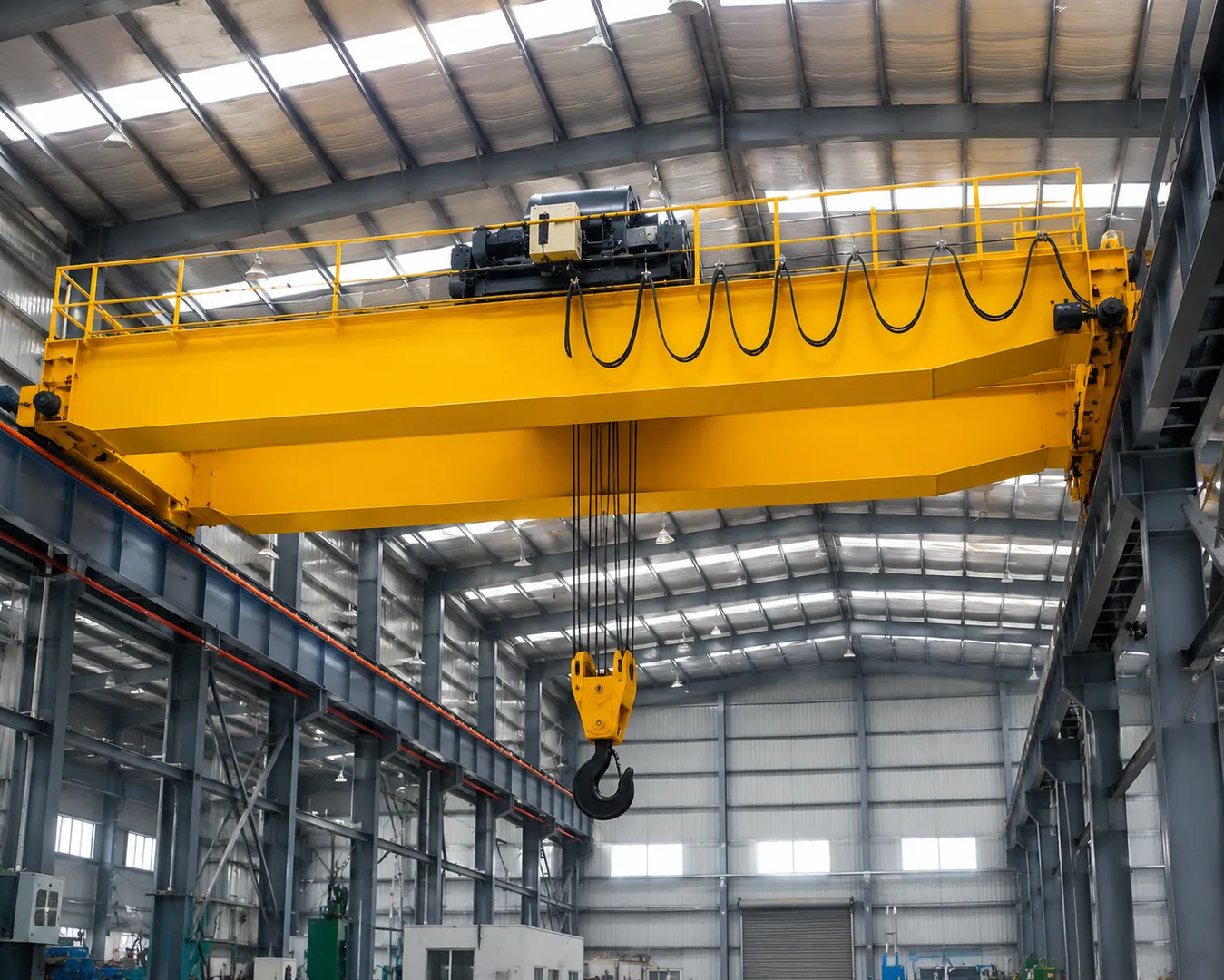
Selecting the right EOT crane is one of the most important decisions for any manufacturing or industrial facility. An overhead crane directly impacts production efficiency, workplace safety, equipment lifespan, and operational costs. Choosing a crane without carefully evaluating your application can result in frequent downtime, higher maintenance expenses, and limited lifting capabilities.
Whether you operate a fabrication unit, automotive plant, engineering workshop, warehouse, or heavy manufacturing facility in Ghaziabad, understanding the factors involved in choosing the right Electric Overhead Traveling (EOT) crane can help you make a smarter long-term investment.
Understand Your Material Handling Requirements
Every industry has unique lifting requirements. Before selecting an EOT crane, identify the type of materials your facility handles.
Important questions include:
- What is the maximum load capacity?
- How frequently will the crane operate?
- What are the lifting heights required?
- What is the span between runway beams?
- Will the crane operate indoors or outdoors?
- Are materials bulky, fragile, or irregularly shaped?
The answers determine the crane configuration that best suits your operations.
Determine the Required Load Capacity
One of the most common mistakes is selecting a crane based only on current lifting requirements.
Instead, evaluate:
- Maximum load weight
- Average working load
- Future production expansion
- Occasional peak lifting requirements
Choosing a crane with appropriate capacity provides operational flexibility while maintaining safety standards.
Evaluate Duty Cycle
Different facilities use cranes at different frequencies.
Typical classifications include:
- Light-duty operations
- Moderate production environments
- Heavy manufacturing
- Continuous industrial operations
A crane designed for occasional lifting may wear out quickly if used continuously in a high-production environment. Matching the crane to the duty cycle increases reliability and reduces maintenance costs.
Consider Building Dimensions
The physical layout of your facility significantly influences crane selection.
Measurements to evaluate include:
- Building width
- Bay length
- Roof height
- Available headroom
- Column spacing
- Existing runway structures
Proper measurements ensure smooth crane movement without interfering with production equipment or building infrastructure.
Select the Appropriate Hoisting Mechanism
The hoist performs the actual lifting work.
Options may include:
- Wire rope hoists
- Electric chain hoists
- Specialized lifting systems
The choice depends on:
- Load weight
- Speed requirements
- Operating frequency
- Precision needs
Each system offers different advantages depending on industrial applications.
Think Beyond Initial Purchase Cost
The lowest-priced crane is not always the most economical choice.
Consider long-term ownership costs such as:
- Energy consumption
- Maintenance requirements
- Spare parts availability
- Downtime
- Component durability
- Ease of servicing
A slightly higher initial investment often delivers lower operating costs over many years.
Focus on Safety Features
Modern EOT cranes include advanced safety systems that protect both workers and equipment.
Essential safety features include:
- Overload protection
- Emergency stop systems
- Travel limit switches
- Anti-collision devices
- Brake monitoring
- Load indicators
These features reduce operational risks while supporting workplace safety compliance.
Consider Future Expansion
Manufacturing facilities frequently increase production capacity over time.
When selecting a crane, think about:
- Future machinery additions
- Production line expansion
- Increased lifting frequency
- Larger material sizes
- Higher production volumes
Choosing a scalable crane helps avoid costly replacements later.
Installation Quality Matters
Even the highest-quality crane performs poorly if installed incorrectly.
Professional installation ensures:
- Correct alignment
- Accurate load testing
- Proper electrical integration
- Smooth travel movement
- Safe commissioning
Experienced installation teams also verify compliance with applicable industrial standards.
Importance of Reliable After-Sales Support
Industrial cranes require periodic servicing throughout their operating life.
When evaluating a manufacturer, consider:
- Maintenance support
- Spare parts availability
- Technical expertise
- Inspection services
- Emergency breakdown response
Reliable support minimizes unexpected downtime and protects production schedules.
Companies such as Desol Associated Engineers work with manufacturing facilities by providing engineered crane solutions along with installation and lifecycle support. Businesses researching solutions often use desolcranes.in to understand available crane configurations for different industrial applications.
Making the Right Decision
Choosing an EOT crane involves much more than selecting a lifting capacity. Production requirements, building dimensions, safety features, operational frequency, maintenance support, and future expansion all influence the right solution.
For industries across Ghaziabad, investing time in proper planning helps improve productivity, extend equipment life, reduce operating costs, and create a safer working environment. A carefully selected EOT crane becomes a long-term asset that supports efficient material handling as production demands continue to grow.
Keywords