
Growth changes the way materials move through a factory. A production layout designed for modest volumes can become increasingly inefficient as heavier components, additional machines, larger inventories, and tighter production schedules are introduced. At this stage, isolated lifting devices may no longer provide sufficient coverage. Integrated Heavy Material Handling Systems become worth evaluating.
Manufacturing facilities in Ghaziabad, Uttar Pradesh planning expansion should assess material movement alongside production capacity rather than treating lifting equipment as a later addition.
Production Bottlenecks Are Appearing Around Material Movement
A machine may have sufficient production capacity while remaining idle because components are not reaching it quickly enough.
When operators repeatedly wait for cranes, forklifts, or manual handling teams, material flow may have become a limiting factor.
Measure waiting time at key production points to determine whether handling delays are affecting output.
Components Are Becoming Larger and Heavier
Expansion frequently involves larger products or heavier assemblies.
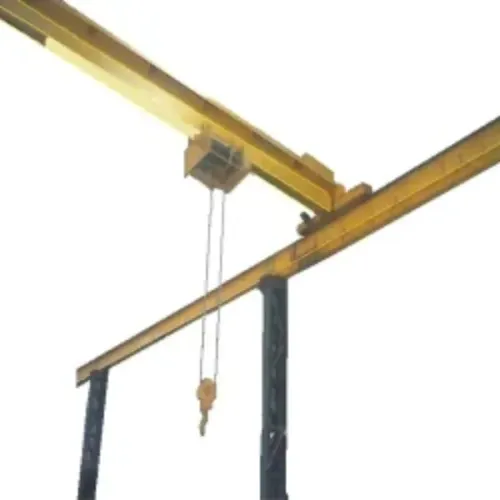
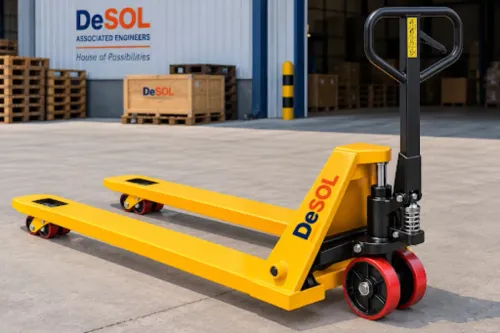
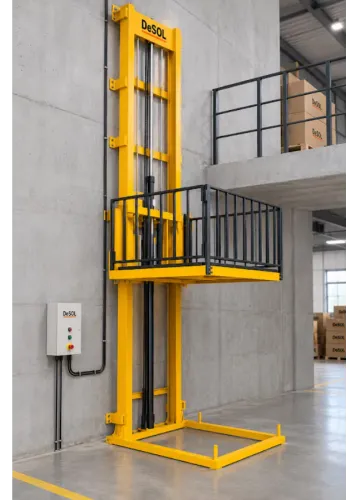
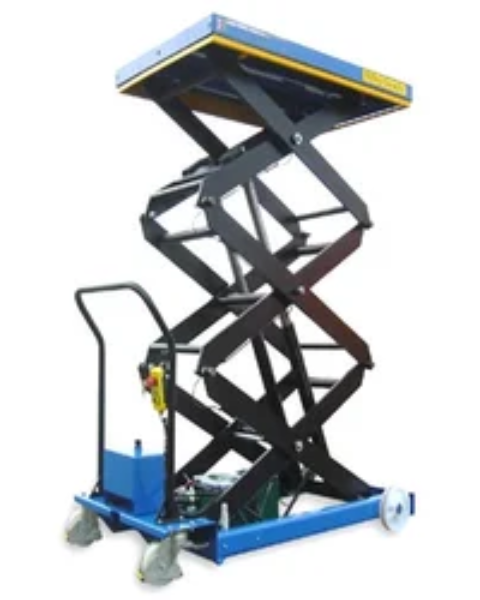
Handling methods that were suitable for smaller components may become impractical as load weight and dimensions increase. This can create a need for coordinated cranes, hoists, lifts, transfer equipment, and workstation handling solutions.
Multiple Handling Methods Are Creating Unnecessary Transfers
Every additional transfer introduces another movement.
A component might be unloaded, temporarily stored, moved by forklift, picked up by a crane, repositioned, and then transferred again to a workstation.
Heavy Material Handling Systems should be planned to reduce unnecessary transitions where practical and create a clearer route from receiving through production to dispatch.
The Facility Layout Is Changing
Plant expansion is an ideal time to reconsider crane coverage, loading zones, storage positions, vertical movement, and equipment access.
Installing new machines first and addressing lifting requirements later can create clearance problems and inefficient travel paths.
Material movement should therefore be considered during layout planning.
Future Capacity Needs Are Becoming Clearer
Before investing, businesses should estimate expected production volumes over the coming years.
Relevant questions include:
- Will maximum component weight increase?
- Will new production bays be added?
- Are additional storage levels planned?
- Will dispatch volumes rise?
- Will more loading bays be required?
- Are new assembly stations expected?
These answers help determine whether individual equipment purchases or a more coordinated handling strategy is appropriate.
Plan the Handling System as Infrastructure
Desol Associated Engineers works with industrial material handling applications involving cranes, hoists, hydraulic equipment, dock systems, and customized lifting requirements.
For expanding facilities in Ghaziabad, Heavy Material Handling Systems should be treated as production infrastructure rather than accessories added after machinery installation.
The readiness indicators are usually visible before expansion is complete. Increasing load sizes, frequent handling delays, complicated transfers, insufficient lifting coverage, and planned production growth all suggest that material flow deserves a comprehensive review.
Mapping the future production process from incoming material to finished goods provides a useful starting point. Equipment can then be planned around the movement that actually needs to happen, creating a handling arrangement capable of supporting the expanded facility rather than preserving limitations from the previous layout.