Selecting equipment for lifting and material movement is not simply a purchasing exercise. Cranes, hoists, lifts, dock systems, and other handling equipment interact directly with production processes, building conditions, employees, and valuable materials. Choosing the right Material Handling Equipment Manufacturer therefore requires a broader assessment than comparing product lists and quotation totals.
For industrial businesses in Faridabad, Haryana, a structured supplier evaluation can reduce the risk of purchasing equipment that looks suitable on paper but does not fit actual site conditions.
Check Whether the Requirement Is Properly Understood
A capable manufacturer should first understand the application.
Before recommending equipment, relevant questions should cover load capacity, dimensions, operating frequency, lifting height, travel requirements, installation area, power availability, building constraints, and workflow.
A quotation prepared without sufficient application information deserves closer examination.
Review the Range of Engineering Capabilities
Some projects need standard equipment. Others require modification or customized engineering.
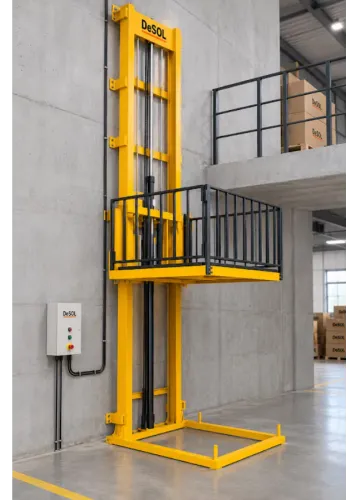
Businesses planning long-term plant development can benefit from a supplier capable of addressing multiple handling requirements, particularly when cranes, hoists, hydraulic lifting equipment, dock systems, and related solutions need to work within the same operation.
Examine Technical Specifications Carefully
Do not evaluate quotations based only on equipment names.
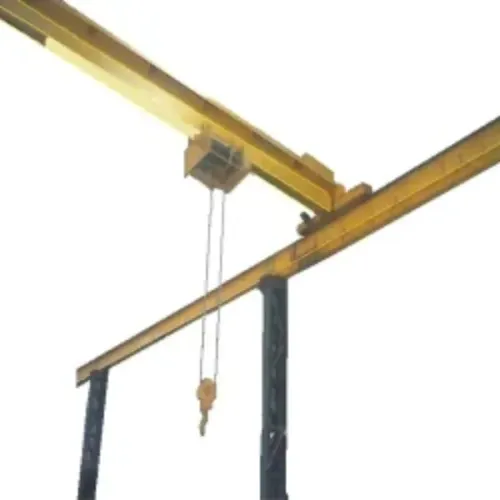
A proposal for an EOT crane, for example, should contain enough technical information to understand capacity, span, lift, duty, travel characteristics, controls, and relevant inclusions.
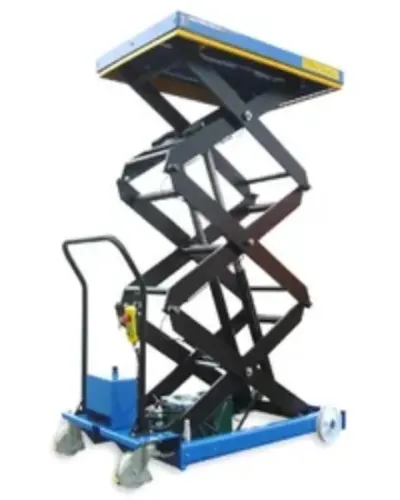
For hydraulic equipment, platform size, travel, capacity, operating arrangement, and installation requirements may be particularly important.
Ask About Site Assessment
Site conditions can substantially affect equipment suitability.
Existing structures, floor conditions, headroom, columns, machinery, electrical supply, access routes, and installation space should be considered where relevant.
A site assessment can help identify constraints before manufacturing and installation.
Evaluate Documentation and Support
Industrial equipment continues to require attention after commissioning.
When evaluating a Material Handling Equipment Manufacturer, discuss:
- Operating documentation
- Maintenance requirements
- Inspection guidance
- Spare component availability
- Service support
- Equipment testing
- Installation responsibilities
- Operator familiarization where applicable
These factors influence long-term usability.
Look for Application Fit Rather Than Excessive Features
More features do not automatically create a better solution.
Equipment should be appropriate for the facility's workload and environment. Overspecified equipment may unnecessarily increase investment, while underspecified systems may struggle with actual operating demands.
Desol Associated Engineers provides material handling and lifting solutions across different industrial applications.
For procurement managers and factory operators in Faridabad, supplier selection should focus on whether the provider can translate operating requirements into an appropriate technical solution. The strongest evaluation combines application understanding, engineering capability, clear specifications, site awareness, installation planning, and after-sales support.
Choosing a Material Handling Equipment Manufacturer on these factors creates a more reliable foundation for equipment procurement than making the decision primarily on the lowest initial quotation.