
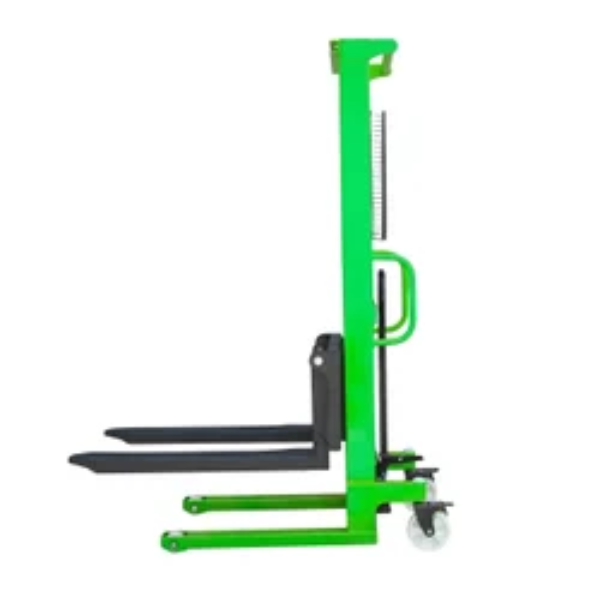
A warehouse can have adequate storage space and still struggle with inefficient material movement. Bottlenecks often appear at receiving areas, racks, loading bays, mezzanines, packing zones, and dispatch points because the lifting equipment does not match the way goods actually flow through the building. Selecting appropriate Warehouse Lifting Equipment requires a workflow-based approach.
For warehousing and logistics operations in Greater Noida, Uttar Pradesh, this becomes increasingly important as facilities handle varied pallet sizes, higher throughput, and multiple material movement activities.
Map the Material Journey First
Before comparing equipment, trace the complete journey of goods.
Start at receiving and identify each point where materials are lifted, lowered, transferred, stored, retrieved, packed, and dispatched.
This reveals where equipment is genuinely needed.
A simple material flow map can identify:
- Frequent lifting points
- Excessive manual handling
- Long travel distances
- Congested aisles
- Vertical movement requirements
- Repeated loading activities
Match Equipment to the Load
Warehouse loads vary significantly.
Palletized products, industrial components, drums, machinery parts, packaged goods, and irregular materials may require different handling approaches.
Load weight is important, but dimensions, stability, packaging, center of gravity, and handling frequency also affect equipment selection.
Consider Different Equipment Functions
Warehouse Lifting Equipment can include several types of solutions depending on the operation.
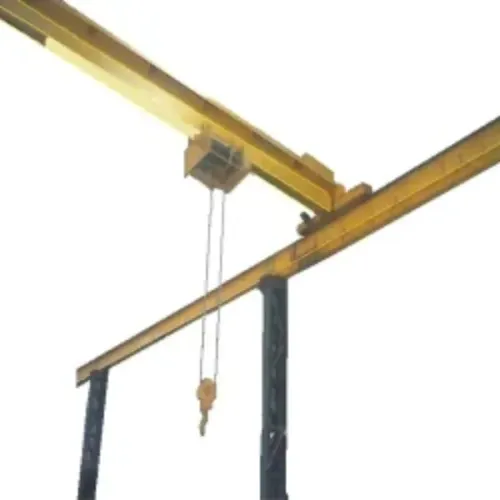
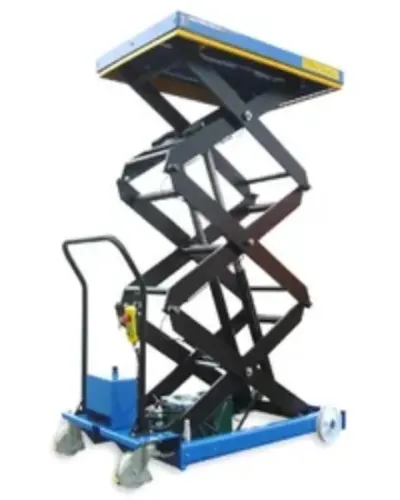
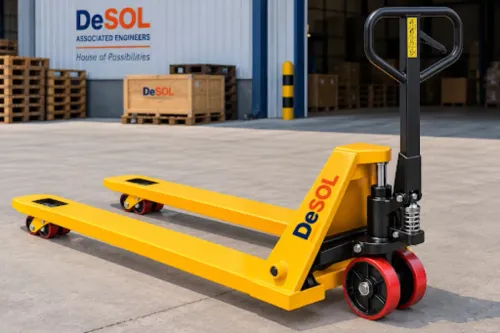
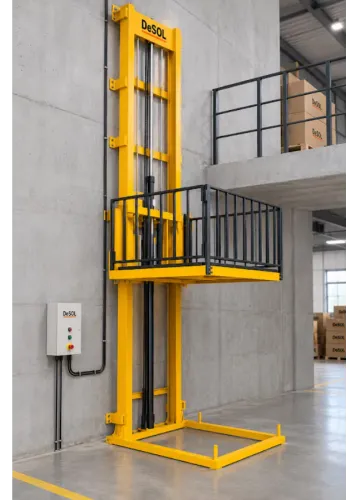
Pallet trucks support ground-level pallet movement. Scissor lifts can help raise loads to suitable working heights. Hydraulic goods lifts can provide vertical movement between levels. Dock equipment can support loading and unloading, while cranes and hoists may be needed for heavier industrial components.
The objective is not to install every type of equipment. It is to identify the minimum combination that creates an efficient material path.
Evaluate Space Restrictions
Warehouse layouts place strict limits on equipment movement.
Aisle width, rack spacing, ceiling height, door openings, floor condition, mezzanine design, and staging areas should be documented before equipment is selected.
Equipment that performs well in an open industrial environment may become inefficient in a tightly configured warehouse.
Look Beyond Purchase Price
Equipment cost should be evaluated alongside utilization, maintenance requirements, productivity impact, operator requirements, and expected service life.
A lower-cost unit that frequently interrupts workflow may create greater indirect costs over time.
Conversely, sophisticated equipment is difficult to justify when the application is simple and infrequent.
Build the System Around Throughput
Desol Associated Engineers supports industrial lifting and material handling requirements across manufacturing and warehousing applications.
For Greater Noida facilities, the most effective Warehouse Lifting Equipment strategy is generally based on throughput rather than isolated equipment purchases. Understanding how many loads move, where they travel, what delays occur, and which movements require lifting provides a stronger basis for investment.
Warehouse productivity is ultimately influenced by the complete flow of goods. When equipment is matched to that flow, lifting becomes part of an organized handling process rather than a series of disconnected tasks.