A headline capacity is not enough to choose a forklift, stacker, ramp, dock system or crane: the usable rating changes with load centre, lift height, geometry and attachments. By the end, you will have a practical method for matching equipment to peak handling demand, travel paths, floor strength, clearance and loading conditions.
Key takeaways
- Use actual unit-load weight and dimensions, not headline capacity alone.
- Size equipment for peak workflow, travel distance and operating frequency.
- Measure aisles, turning areas, dock heights and overhead obstructions first.
- Specify load, layout and duty requirements in figures suppliers can verify.
Start with the Load, Not the Equipment Catalogue
A truck’s headline capacity is not the capacity you receive at every lift. Start with the actual pallet weight or unit load, then check how its dimensions and position change the machine’s usable capacity.
Record these load facts before comparing equipment:
- Actual pallet weight, including packaging, container, attachments and any liquid movement
- Unit load dimensions: length, width, height and whether it is flexible, unstable or off-centre
- Load-centre distance from the fork face or lifting attachment to the centre of the load
- Centre of gravity, including whether it shifts during lifting, turning or travel
- Required lift height, reach distance and the highest storage position
- Handling frequency, lifts per hour, loaded travel distance, starts, stops and operating hours
- Attachment weight and any need for fork extensions, a spreader beam or multiple pickup points
Read the truck’s capacity plate and residual-capacity chart for this exact configuration. A forklift rated for 2,500 kg at a short load centre may lift far less at greater height, with a sideshifter, or with another attachment. A higher headline rating does not stabilise a long or off-centre load.
For cranes, compare duty cycle as well as maximum load: an occasional maintenance lift and repetitive production handling demand different classifications. For manual tasks, do not treat the NIOSH reference limit of 23 kg as a universal safe weight; evaluate reach, height, twisting, frequency, duration and hand grip.
Convert Peak Workflow into the Right Handling Method
Size equipment against the busiest operating window, not average daily volume. Calculate peak shift demand from simultaneous goods-in and dispatch volume, then include loading and unloading, travel, queueing, battery charging or refuelling, operator breaks and maintenance downtime. Equipment sized for the daily average will fail at shift change or dispatch cut-off.
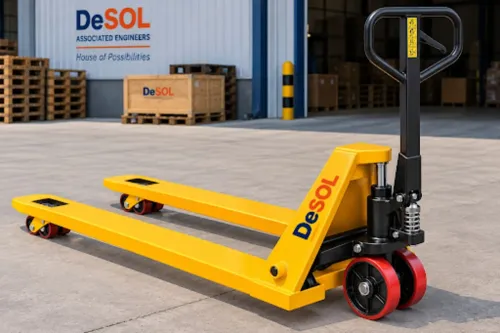
- Choose a pallet truck when pallets remain on the floor, travel is short and pallet movements per hour are low enough that walking and queue time do not create a backlog. It is the wrong choice when every cycle includes lifting into a rack or vehicle.
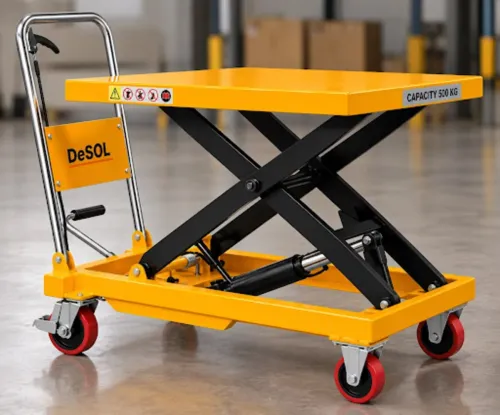
- Choose a manual stacker for occasional lifts to limited heights when powered travel is unnecessary. It becomes a bottleneck when lift cycles are frequent, travel distances grow or operators repeat high-effort pumping throughout the shift.
- Choose a forklift when loads need regular vertical placement, longer travel or many lift cycles per shift. Check the capacity plate for the actual load centre, lift height, mast configuration and attachment; the headline capacity is not the usable capacity.
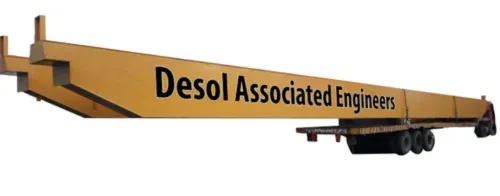
- Choose a crane when loads follow a fixed bay or production route, are too heavy or awkward for floor trucks, or require lifting without aisle travel. Specify lifts per hour, loaded travel distance, starts and stops, average and peak load, and operating hours.
Two cranes with the same rated capacity can suit very different duty cycles.
Test the Facility Layout Before Choosing the Truck
A truck that fits between rack faces can still be unusable if its turning radius, load length or mast movement exceeds the aisle. Measure the complete operating path, not the truck’s overall width: include rack depth, load overhang, required clearance and the operating method.
Check these layout constraints before requesting a quotation:
- Aisle width: confirm the manufacturer’s required aisle width for your pallet dimensions, turning radius and stacking direction.
- Floor bearing capacity: verify that the slab supports the combined truck, load and concentrated wheel loads; a heavy forklift can damage a floor rated for lighter traffic.
- Headroom clearance: measure doors, beams, sprinklers, lights and utilities against the raised mast, load and attachment, not the lowered truck.
- Traffic: map pedestrian crossings, blind corners, reversing zones and emergency routes. Separate people from trucks with barriers or controlled crossings where possible.
- Charging: reserve a designated electric-truck charging area with ventilation, ignition control, electrolyte protection, emergency equipment and clearance around chargers.
| Truck type | Layout advantage | Layout risk that can eliminate it |
|---|---|---|
| Counterbalanced forklift | Flexible outdoor and indoor operation | Needs wider aisles and turning space |
| Reach truck | Works in narrower rack aisles | Needs smooth, level floors and adequate mast clearance |
| Turret truck | Very narrow-aisle storage | Requires precise aisle alignment and specialised guidance |
Finally, check the data plate for the actual load centre, lift height, mast and attachment. A higher headline capacity does not fix an unstable or off-centre load.
Select Ramps and Dock Equipment by the Moving Load
Calculate capacity from the heaviest moving assembly, not the pallet label. Add the forklift, pallet truck or vehicle, operator and cargo to obtain the combined moving load. Then compare that figure with the manufacturer’s rated capacity for the actual span, lift height, load centre and travel direction.
Check these values before selecting equipment:
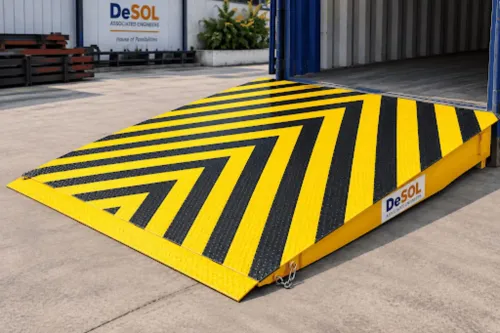
- Measure the height difference and available ramp length; ramp slope equals height difference divided by length.
- Confirm the usable deck width exceeds the equipment’s outside wheel width, with clearance for steering and edge protection.
- Obtain the highest wheel load and axle or point-load reaction, not only total weight. Verify the slab, ground and dock supports can carry it.
- Check surface traction, approach angle, side edges and the load’s centre of gravity. A long or off-centre load may need restraint or a different handling method.
- Read the capacity plate and residual-capacity chart. A headline forklift rating does not prove its capacity on a ramp or at a high lift.
| Option | Choose it when | Main checks |
|---|---|---|
| Portable ramp | You serve changing trailer positions or occasional loading | Locking or securing method, wheel load, slope, deck width and storage |
| Fixed loading ramp | The height and traffic route remain stable | Structural reactions, drainage, edge protection and permanent access |
| Dock leveler | Vehicles need a height transition at a dock | Rated moving load, lip length, travel range and trailer restraint |
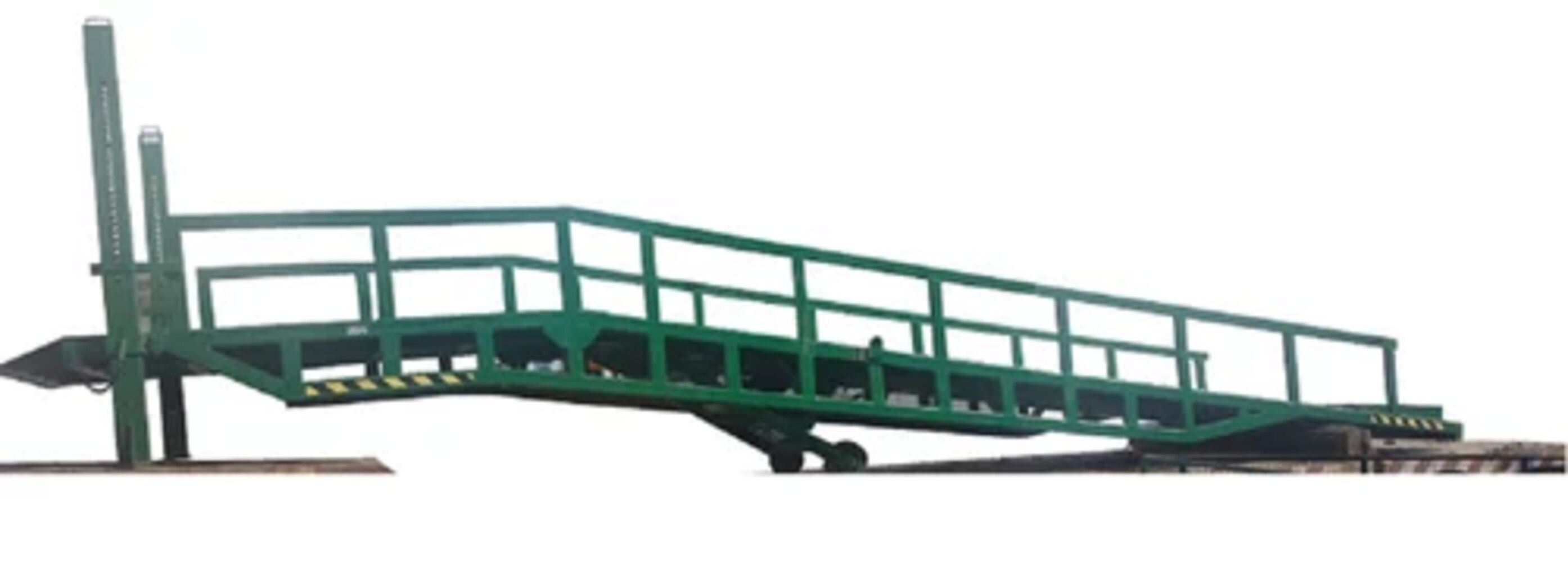
| Railway wagon ramp | Equipment must cross between ground and a rail wagon | Wagon height, approach angle, rail clearance, wheel loads and anti-slip surface |
Set trailer brakes and chock wheels, or use a positive restraint system, before powered trucks enter. A strong leveler cannot prevent trailer creep.
Write a Specification That Suppliers Can Verify
Before requesting a quotation, give each supplier the same measurable duty and site information. Otherwise, you will compare headline capacities rather than equipment that works in your facility.
1. State the load weight, dimensions, load-centre distance, centre of gravity, pallet type, attachment, required lift height and maximum number of simultaneous loads. For a forklift, record the capacity plate rating at that configuration and attach the residual-capacity chart; the highest advertised capacity is not usable capacity at every height.
2. Describe the duty cycle: lifts per hour, average and peak load, loaded travel distance, starts and stops, operating hours per shift, queue time, loading and unloading time, breaks, charging or refuelling, and planned maintenance downtime. For cranes, include lifts per hour and average and peak loads, not only the heaviest lift.
3. Draw the route and mark aisle width, turning space, door and beam clearances, floor condition and bearing capacity, slopes, crossings, pedestrian routes, reversing points and sightline obstructions. Mark the battery charging area with charger clearance, ventilation, emergency equipment and separation from traffic.
4. For ramps and dock equipment, state height difference, usable width, slope, approach angle, wheel loads and ground support. Give the combined weight of the vehicle, forklift or pallet truck, operator and cargo; a dockboard sized only for the payload is under-rated. Include edge protection and traction requirements.
Desol Associated Engineers can use this information to distinguish a portable ramp, stacker or loading system by actual operating conditions rather than catalogue labels.
Related products
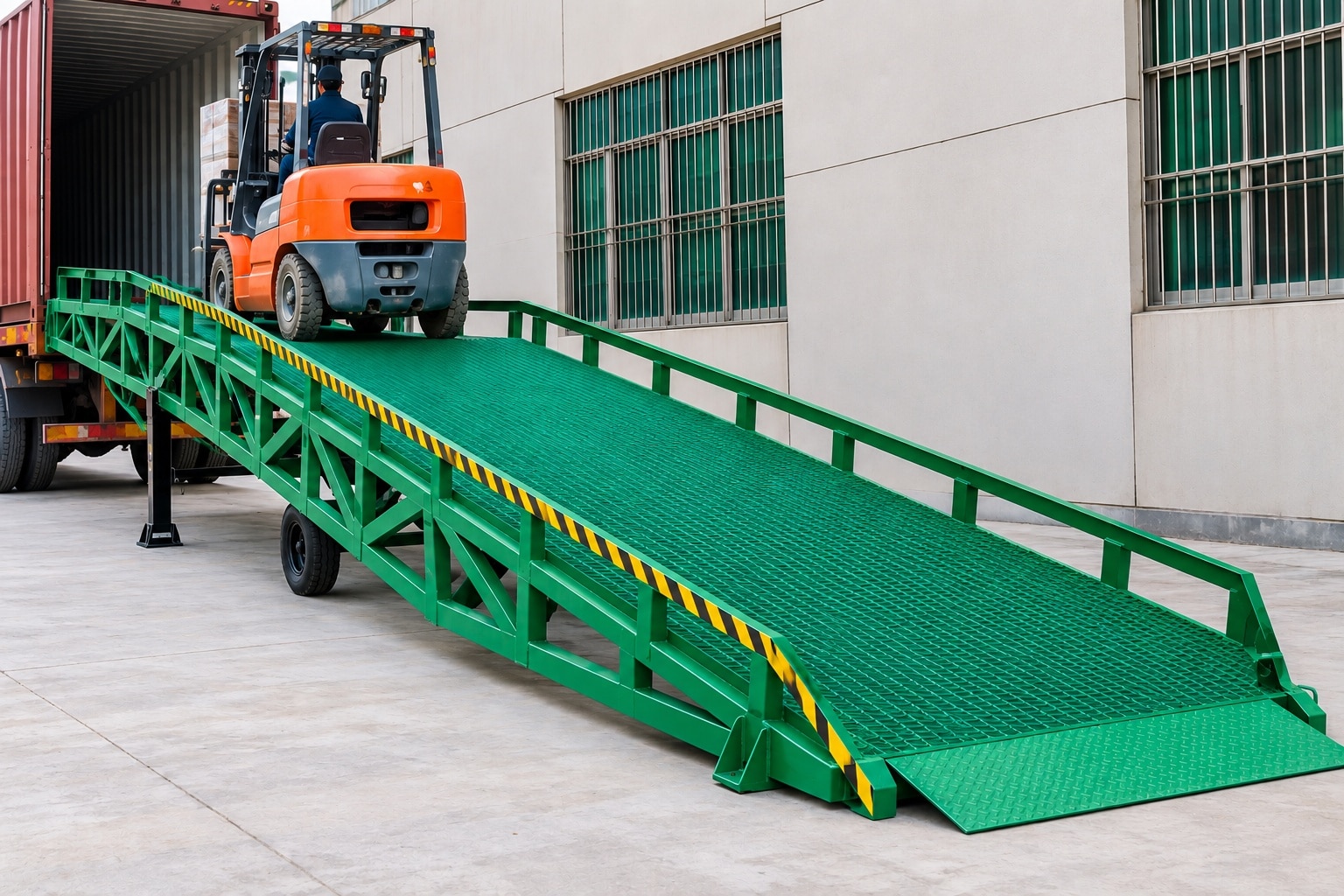 | Material Handling Equipment / Loading Ramp Portable Container Ramp The Portable Container Ramp by DeSOL Associated Engineers is a heavy-duty material handling solution designed to provide safe... View product → |
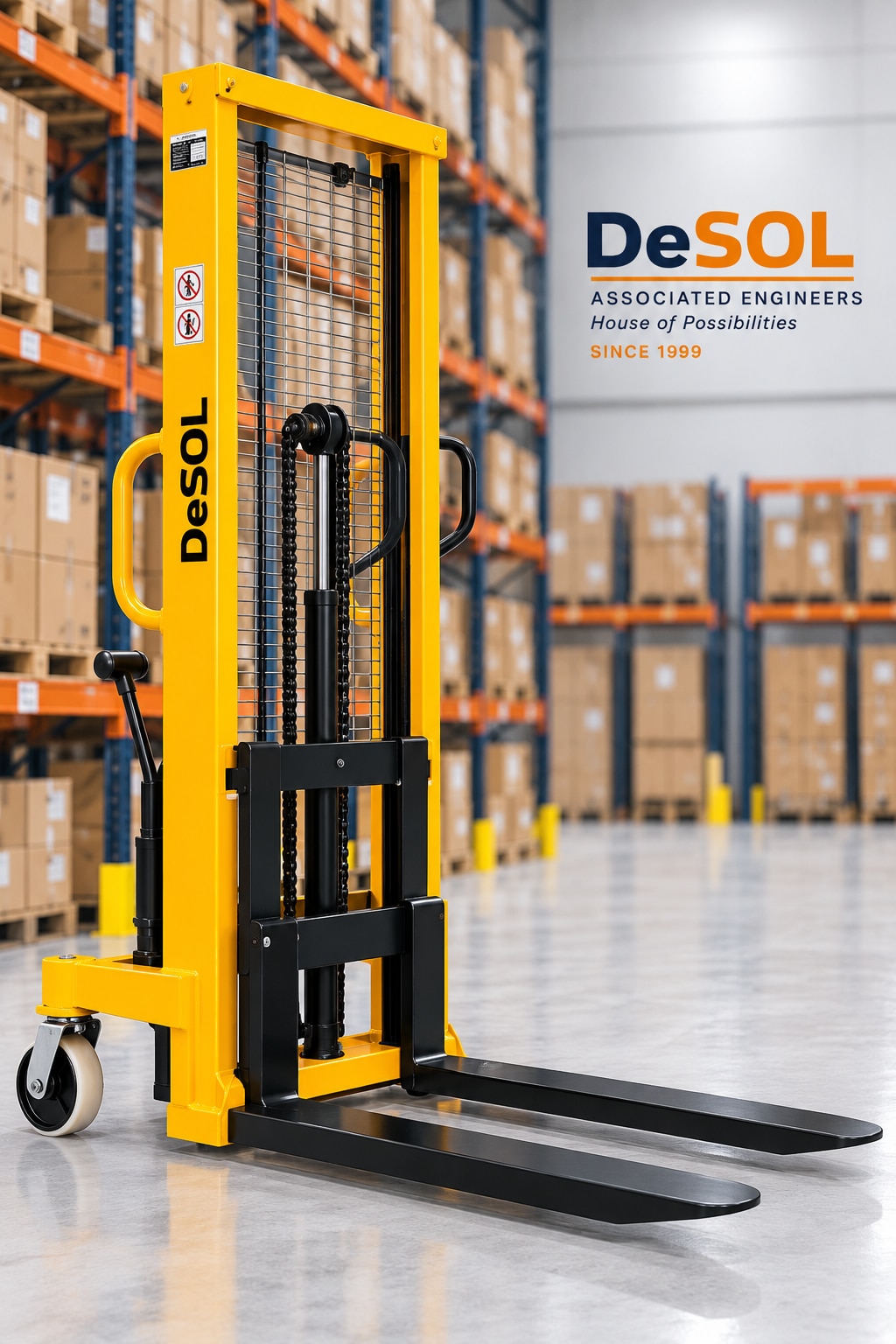 | Material Handling Equipment / Manual Stacker DeSOL Manual Stackers are robust and cost-effective material handling equipment designed for lifting, stacking and moving palletized goods in... View product → |
Frequently asked questions
Why should load details come before choosing equipment?
Actual load weight, dimensions and position determine usable capacity at the required lift height and reach.
How does peak workflow affect the handling method?
Review peak load volume, travel distance, lifting frequency and loading times before selecting equipment.
What facility measurements matter when selecting a truck?
Measure aisle width, turning space, floor condition, door clearances, lift heights and overhead obstructions.
How do you select ramps and dock equipment?
Match ramp and dock capacity to the moving load, vehicle dimensions, dock height and loading conditions.
What should a supplier specification include?
State load weight and dimensions, lift requirements, operating frequency, travel path, facility measurements and duty conditions.
Related products
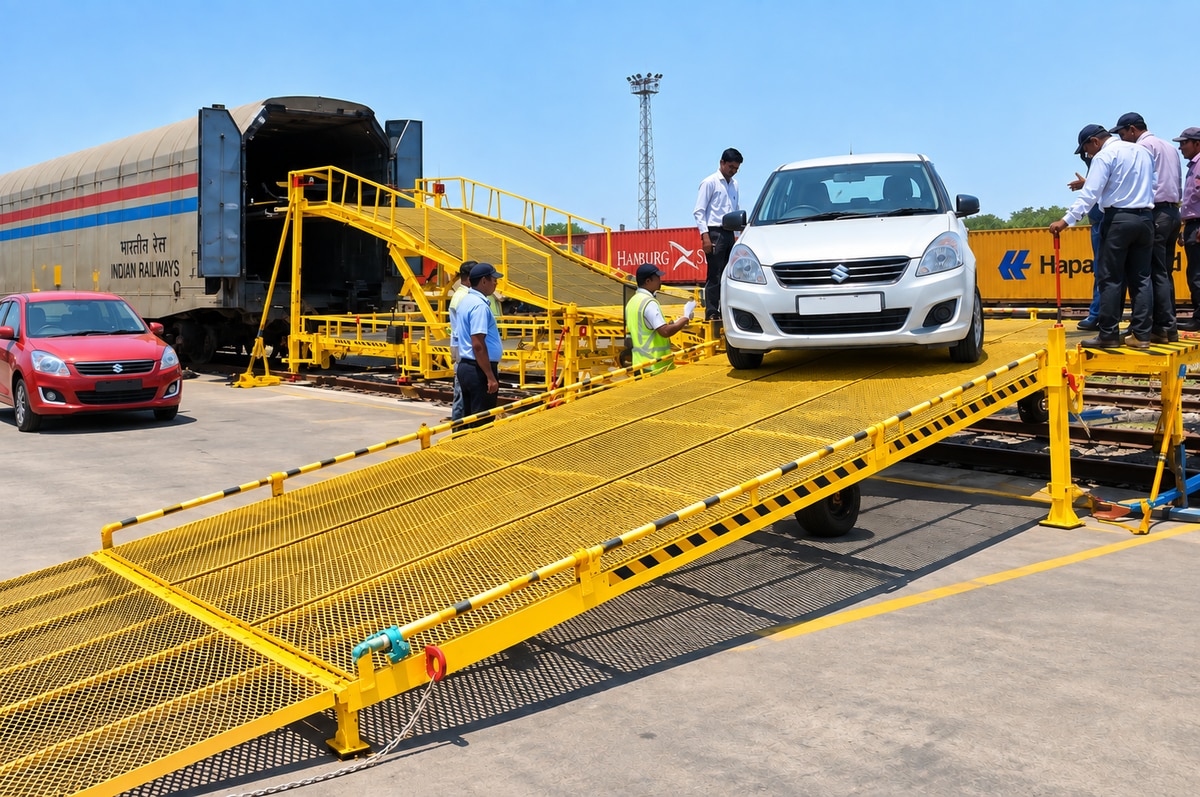 | Railway Loading Ramp / Wagon Loading & Unloading Ramp / Material Handling Equipment Heavy-duty Loading & Unloading Ramp designed for efficient and safe movement of vehicles between ground level and railway wagons. View product → |
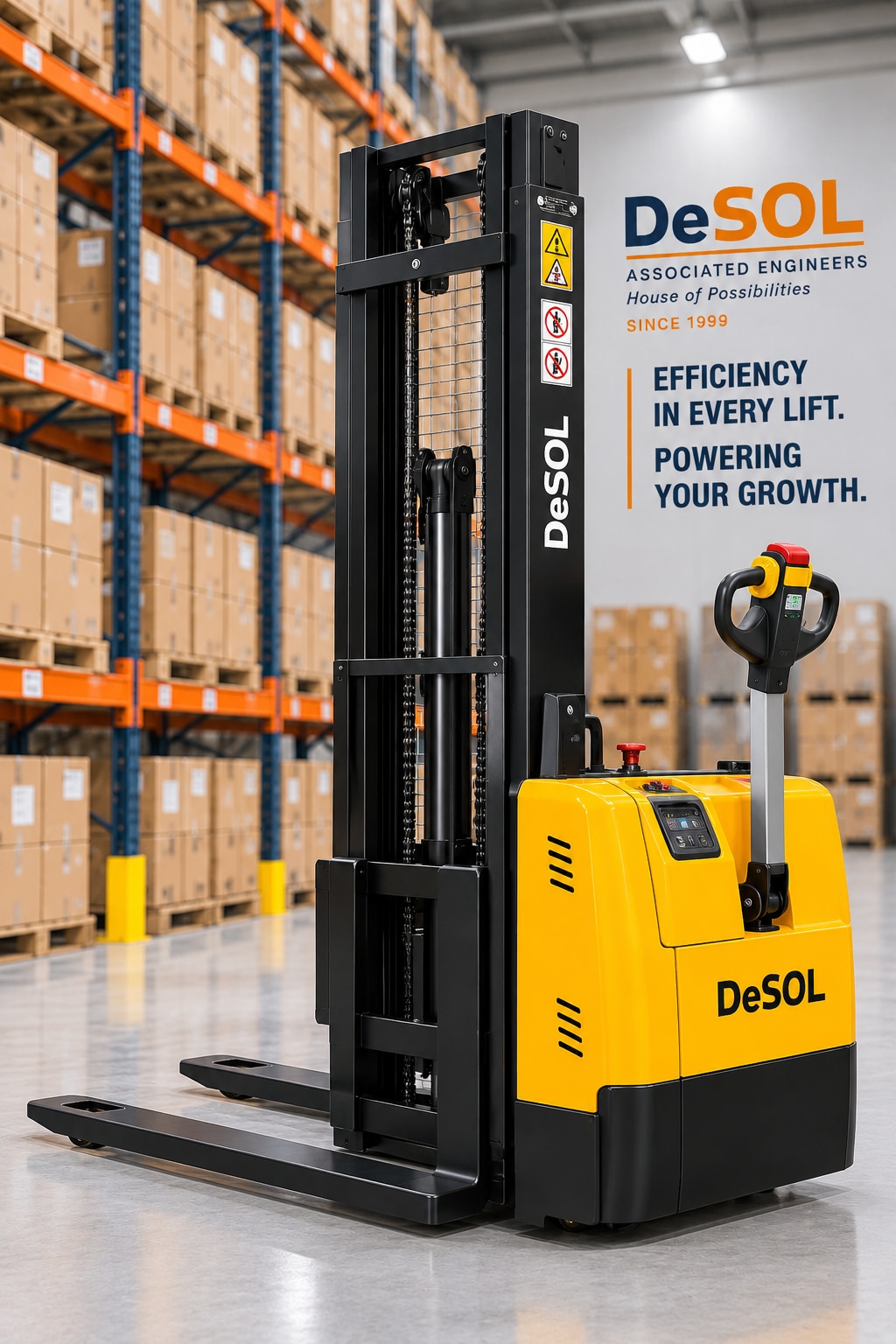 | Material Handling Equipment / Electric Stacker DeSOL Automatic Electric Stackers are designed for efficient, reliable and safe lifting and movement of palletized materials in warehouses,... View product → |
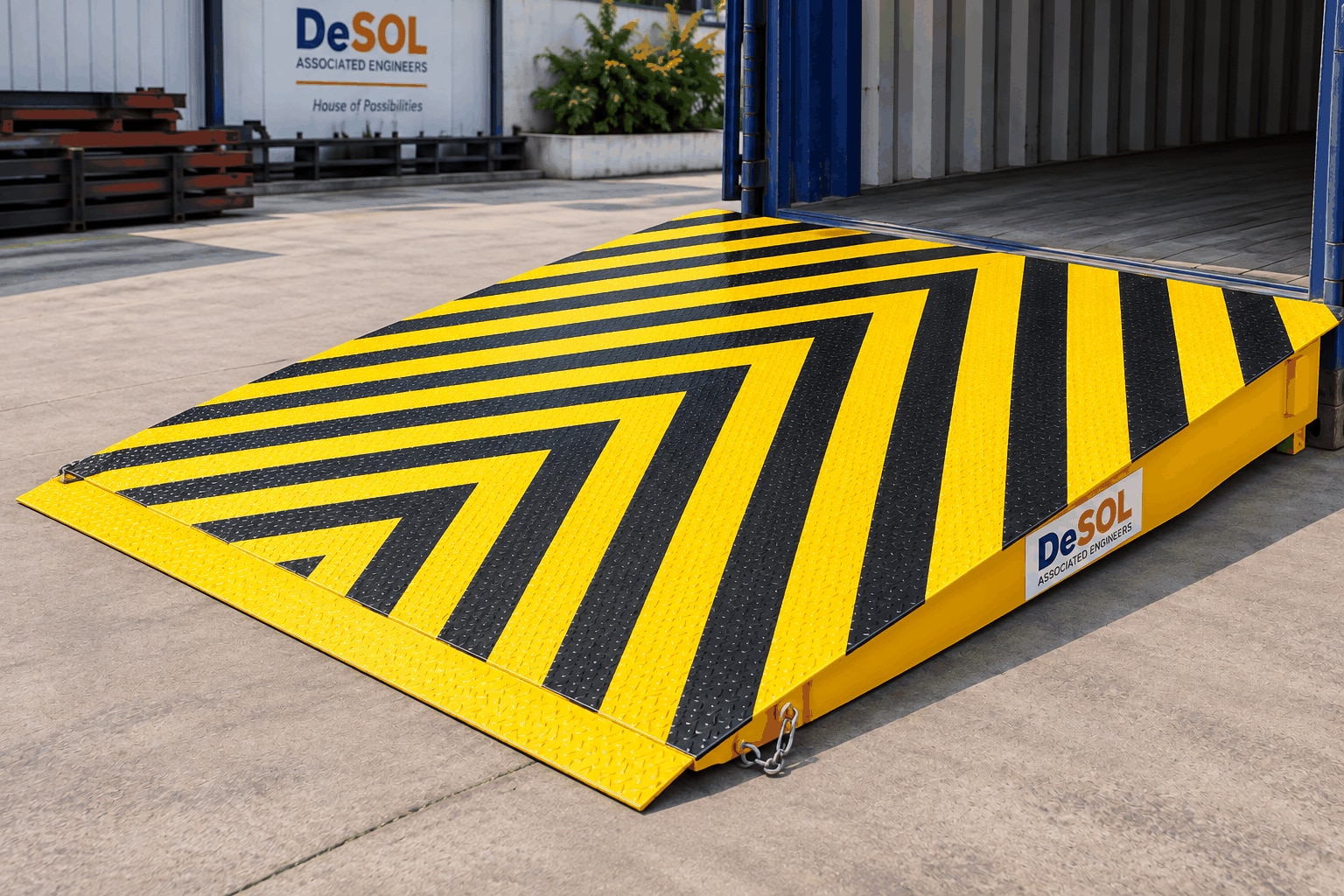 | Material Handling Equipment / Mobile Loading Ramp Portable Ramp for Container Loading and Unloading DeSOL Portable Ramp is a heavy-duty mobile loading and unloading solution designed for efficient movement of goods, forklifts and material handling... View product → |
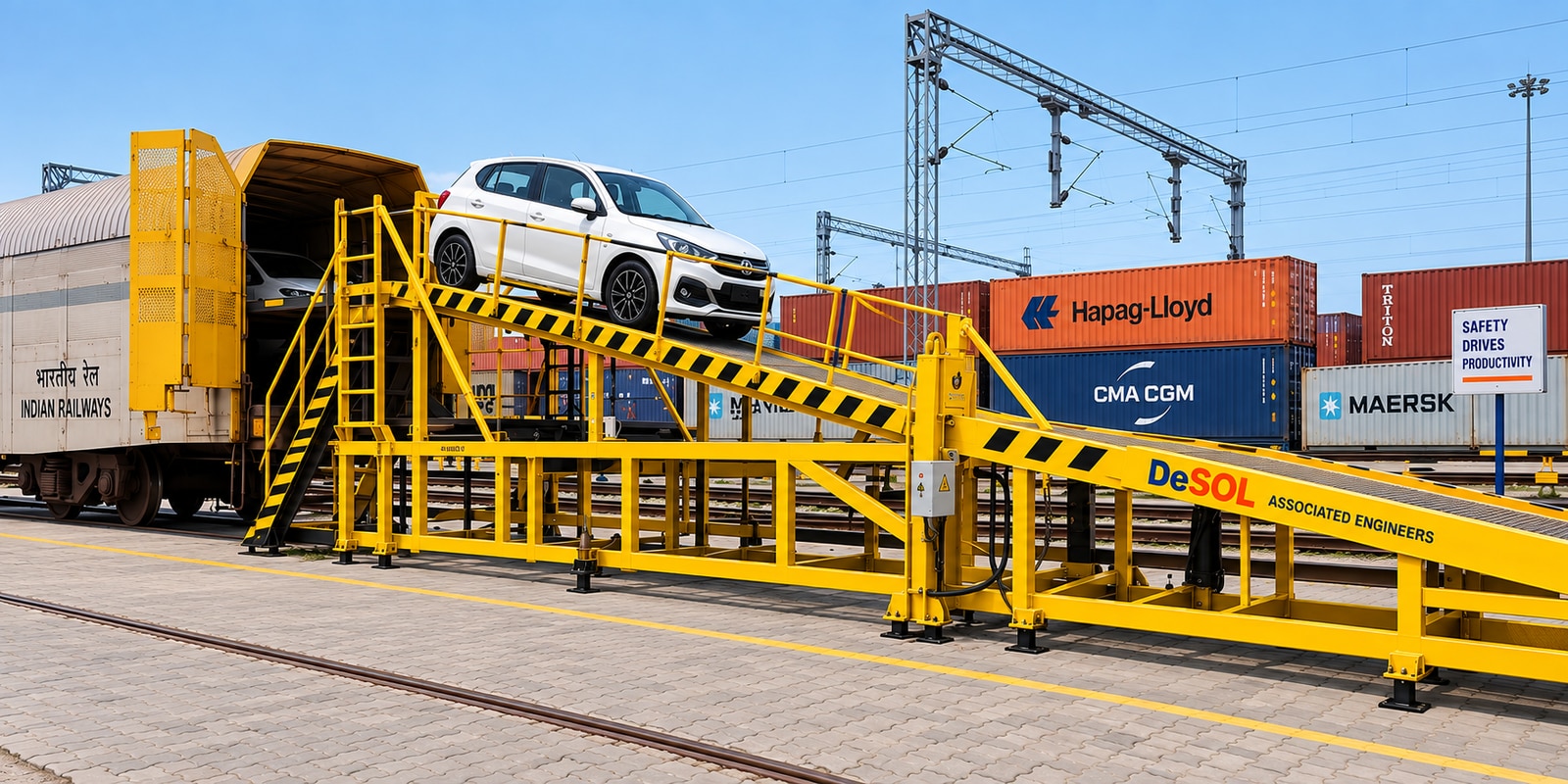 | Wagon Loading Ramp / Rail Loading Ramp / Material Handling Equipment Wagon Loading & Unloading Ramp Wagon Loading & Unloading Ramp is a heavy-duty industrial ramp designed for safe and efficient loading and unloading of vehicles and material from... View product → |