Not every heavy lifting application can be efficiently served by a permanently installed overhead crane. Some facilities need lifting equipment across open areas, temporary work zones, maintenance locations, yards, or spaces where the building structure cannot conveniently support an overhead runway. A Gantry Crane can be particularly useful in these situations.
Industrial operations in Noida, Uttar Pradesh, including fabrication, engineering, warehousing, equipment assembly, and infrastructure-related businesses, can have very different lifting environments. Understanding where gantry systems fit helps avoid investing in equipment that does not match actual operations.
How Gantry Systems Work
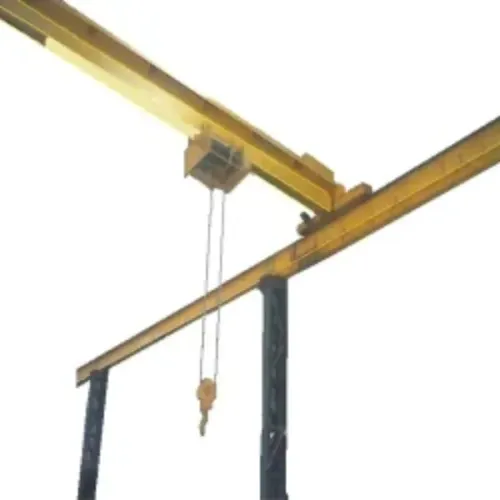
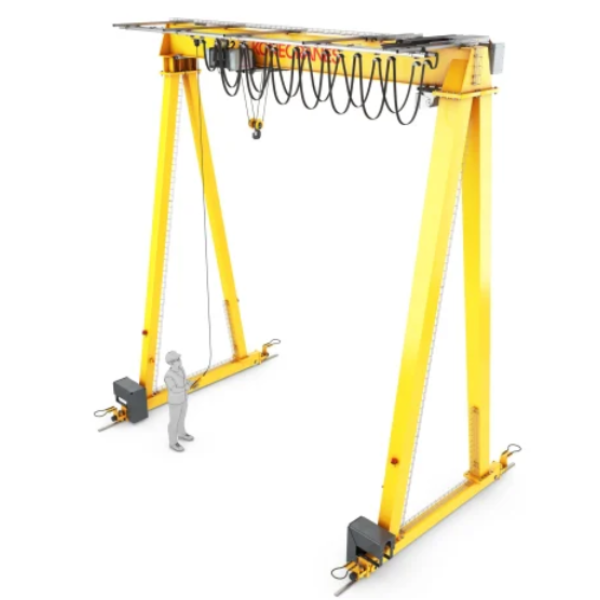
A gantry crane typically uses a horizontal bridge supported by legs that travel on rails, wheels, or another engineered arrangement. Unlike conventional overhead cranes that depend on elevated runway structures attached to or supported within a building, gantry systems can provide their own supporting framework.
This creates flexibility for applications where constructing conventional overhead crane infrastructure may not be practical.
Applications Where Gantry Cranes Are Useful
Common uses include:
- Heavy fabrication yards
- Machinery assembly
- Maintenance operations
- Material storage areas
- Equipment loading and unloading
- Construction-related operations
- Outdoor component handling
- Precast and engineering facilities
The design can vary substantially depending on capacity, span, height, operating environment, and movement requirements.
Indoor and Outdoor Applications Need Different Planning
Outdoor lifting introduces considerations that may not be significant inside a factory. Wind conditions, weather exposure, surface conditions, electrical protection, travel paths, and corrosion protection may influence system design.
Indoor applications bring different constraints. Ceiling height, columns, machinery layouts, pedestrian routes, storage racks, and production lines can determine whether a gantry arrangement is practical.
This is why simply selecting a crane based on rated lifting capacity can lead to inefficient results.
Mobility Can Be a Major Advantage
One reason companies consider gantry systems is the ability to establish lifting coverage without relying entirely on existing building structures.
Depending on the configuration, a gantry arrangement may provide useful flexibility for changing production requirements. However, mobility does not mean every gantry crane can simply be moved anywhere. Rail alignment, floor conditions, wheel arrangements, structural design, and operating procedures must all be considered.
Think About the Load Journey
Before selecting equipment, map how materials actually move.
Where does the load originate? Where must it be placed? How frequently is it handled? Does the crane require longitudinal travel? How much vertical clearance is necessary? Will workers, vehicles, machines, or stored materials occupy the same area?
Answering these questions provides a much clearer specification than beginning with capacity alone.
A Crane Should Fit the Operation
Desol Associated Engineers provides industrial material handling solutions for businesses evaluating lifting arrangements for different operating environments.
For engineering and manufacturing facilities around Noida, a Gantry Crane can be a practical option when lifting coverage is required in areas where a conventional overhead runway is difficult to implement. Its effectiveness, however, depends on engineering the system around the load, movement pattern, workspace, duty requirements, and site conditions.
A well-planned gantry arrangement does more than lift a heavy component. It creates a defined material movement path that can make demanding handling operations more organized and manageable.