Efficient material handling is the foundation of every productive manufacturing facility. Whether raw materials are arriving at one end of the plant or finished products are leaving the warehouse, the movement of goods directly influences production speed, worker safety, inventory management, and overall operational costs.
Modern factories require integrated industrial material handling solutions that reduce manual effort while improving accuracy and productivity. For manufacturers operating in Gurugram, adopting the right handling systems has become increasingly important as production demands continue to grow.
Why Material Handling Matters
Every manufacturing process depends on moving materials safely and efficiently.
Poor material handling often leads to:
- Production delays
- Product damage
- Workplace injuries
- Increased labour costs
- Equipment bottlenecks
- Higher operational expenses
Efficient systems ensure that materials reach the right location at the right time without interrupting production.
Common Material Handling Equipment
Modern industrial facilities use a combination of equipment depending on production requirements.
Common solutions include:
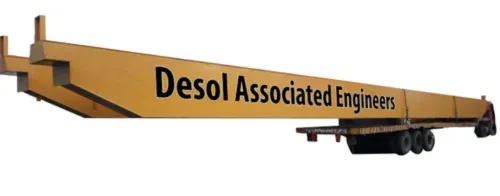
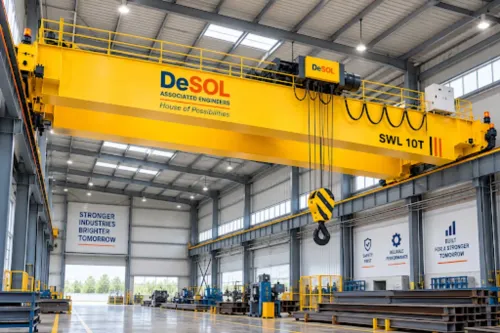
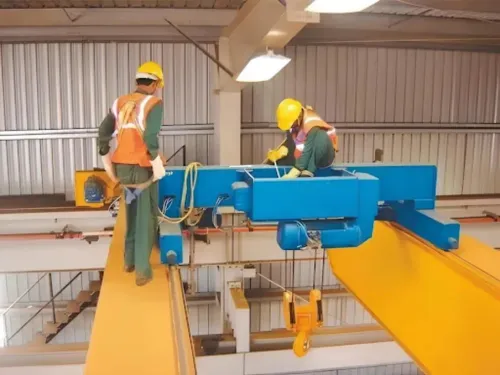
- EOT cranes
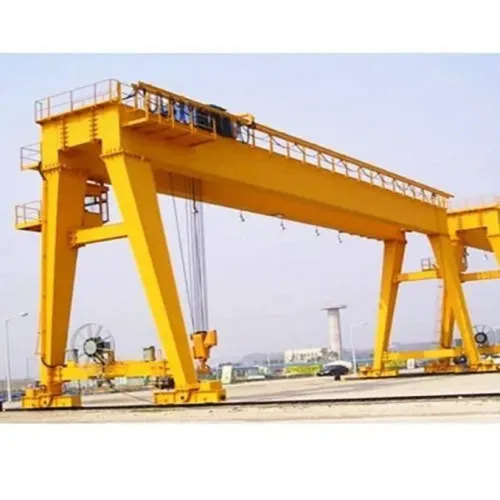
- Gantry cranes
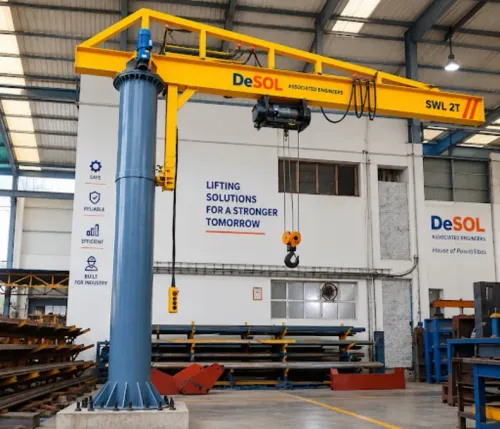
- Jib cranes
- Wire rope hoists
- Hydraulic goods lifts
- Dock levelers
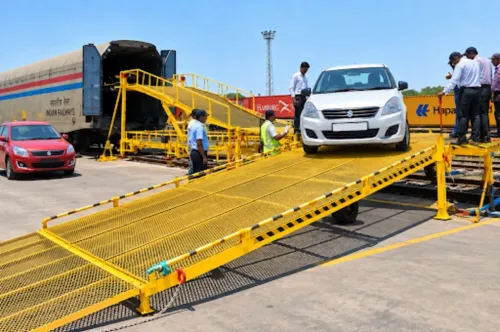
- Portable loading ramps
- Conveyors
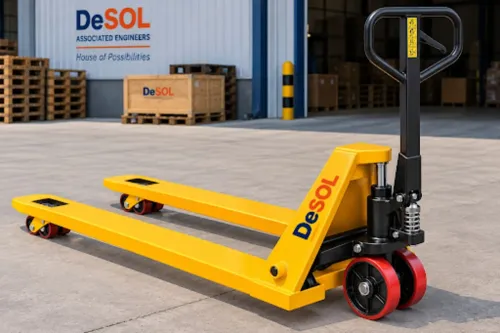
- Forklifts
- Storage systems
Selecting the right combination improves productivity throughout the facility.
Benefits of Automated Material Handling
Automation has transformed manufacturing operations by reducing repetitive manual work.
Key advantages include:
- Faster material movement
- Improved production flow
- Reduced labour dependency
- Better inventory management
- Higher operational accuracy
- Lower product damage
Automated lifting systems also contribute to improved workplace ergonomics.
Improving Workplace Safety
Heavy materials present significant safety risks when handled manually.
Modern lifting equipment minimizes these risks by:
- Reducing manual lifting
- Improving load stability
- Preventing overloading
- Providing controlled movement
- Lowering accident rates
Routine operator training and scheduled inspections further enhance workplace safety.
Choosing Equipment Based on Industry
Different industries require different handling solutions.
For example:
Automotive Manufacturing
- Assembly line cranes
- Component handling systems
- Tool lifting equipment
Engineering Workshops
- EOT cranes
- Wire rope hoists
- Fabrication handling systems
Warehousing
- Dock levelers
- Loading ramps
- Hydraulic goods lifts
Heavy Manufacturing
- Double girder cranes
- Heavy-duty hoists
- Specialized lifting equipment
Choosing industry-specific equipment improves efficiency while avoiding unnecessary investment.
Optimizing Factory Layout
Material handling equipment should complement the factory layout rather than restrict movement.
Important planning considerations include:
- Production flow
- Storage locations
- Machine placement
- Loading zones
- Maintenance access
- Future expansion
A well-planned layout minimizes unnecessary travel distances and supports continuous production.
The Role of Preventive Maintenance
Even the most advanced equipment requires routine servicing.
Preventive maintenance helps:
- Identify wear before failures occur
- Reduce unexpected downtime
- Extend equipment life
- Improve safety
- Maintain operational efficiency
Scheduled inspections are significantly more cost-effective than emergency repairs.
Supporting Warehouse Efficiency
Material handling extends beyond manufacturing.
Warehouses benefit from:
- Faster truck loading
- Efficient unloading operations
- Improved inventory movement
- Better space utilization
- Reduced product handling damage
Integrated handling systems contribute to smoother supply chain operations.
Customization for Modern Manufacturing
No two factories have identical requirements.
Customized solutions consider:
- Building dimensions
- Product size
- Production capacity
- Load weight
- Operating frequency
- Industry-specific challenges
This ensures equipment delivers optimal performance throughout its service life.
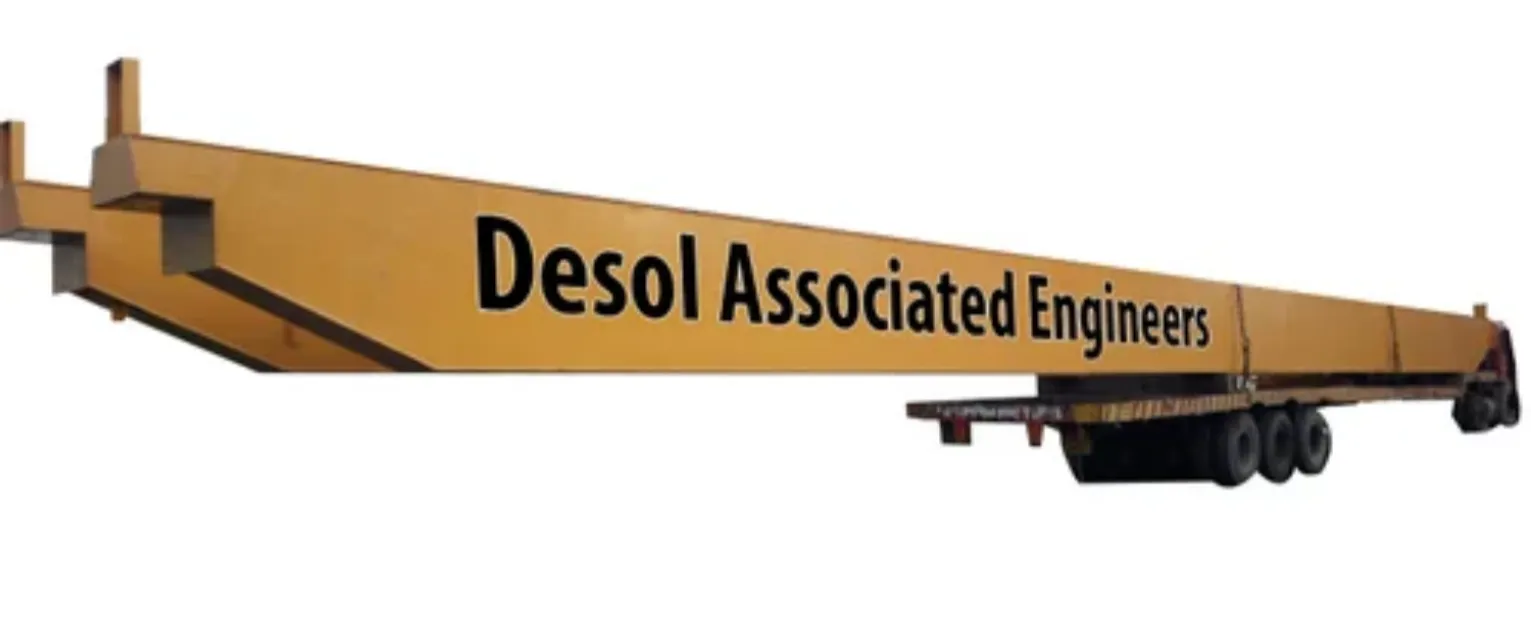
Organizations such as Desol Associated Engineers develop customized material handling systems designed around operational requirements rather than standard configurations. Many manufacturers review desolcranes.in when exploring engineered solutions for expanding production facilities.
Preparing for Future Growth
As industries across Gurugram continue investing in modernization, efficient material handling has become a competitive advantage rather than simply an operational necessity. By combining cranes, hoists, hydraulic lifting equipment, and warehouse handling systems, manufacturers can improve productivity, strengthen workplace safety, reduce operating costs, and create scalable production environments capable of supporting long-term business growth.
Keywords