Moving heavy loads inside a manufacturing facility is rarely as simple as lifting an object from one point and placing it somewhere else. Load weight, lifting frequency, available headroom, operator safety, positioning accuracy, and production flow all influence the choice of lifting equipment. This is where Industrial Hoists become an important part of an efficient material handling setup.
For manufacturing plants in Ghaziabad, Uttar Pradesh, industrial hoists are commonly used in fabrication shops, engineering units, assembly areas, maintenance bays, warehouses, and production facilities where manual lifting is either impractical or unsafe.
What Does an Industrial Hoist Do
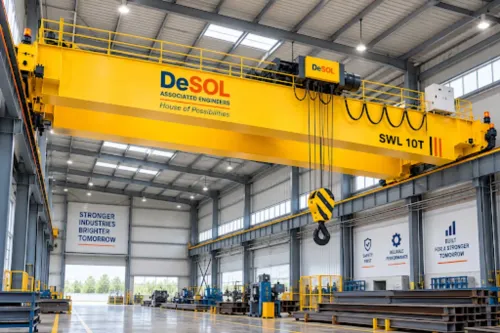
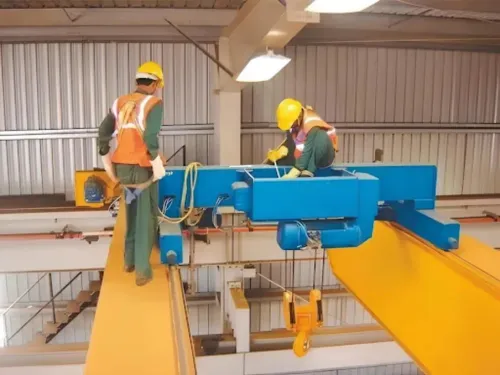
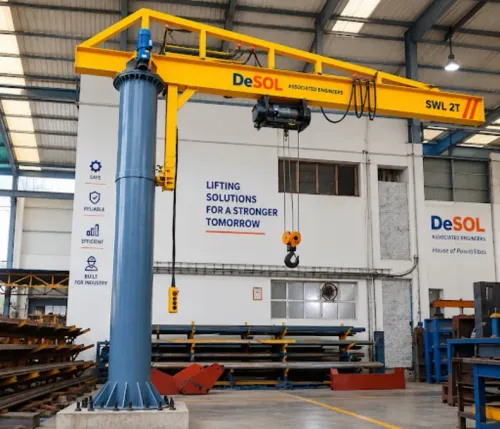
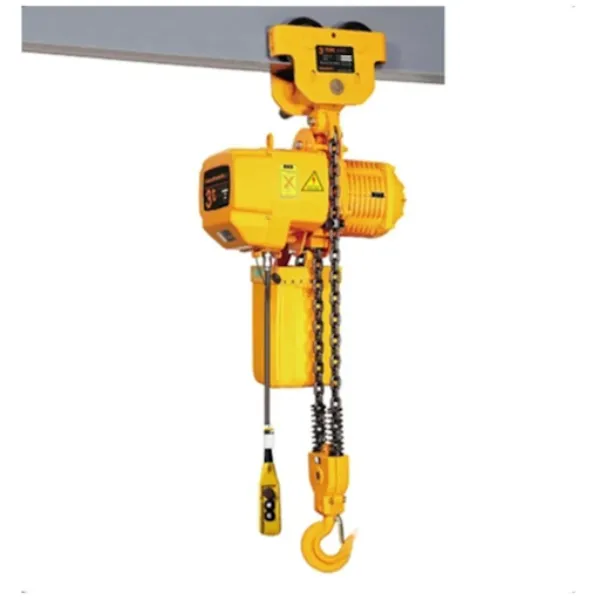
An industrial hoist is designed to raise and lower loads using a lifting medium such as a wire rope or chain. Depending on the application, it may operate independently or form part of an overhead crane system.
The primary advantage is controlled lifting. Instead of relying on manual effort or unsuitable equipment, workers can handle substantial loads in a more systematic manner.
Typical applications include:
- Loading components onto machines
- Moving fabricated assemblies
- Handling dies and molds
- Supporting equipment maintenance
- Lifting motors and industrial components
- Positioning materials during assembly
- Transferring loads between workstations
Selecting Capacity Requires More Than Load Weight
A common mistake is choosing a hoist simply by checking the maximum weight that needs to be lifted. Capacity is important, but it is only one part of equipment selection.
Businesses should also consider lifting height, operating frequency, load characteristics, available space, duty cycle, lifting speed, and the environment in which the equipment will operate.
For example, a hoist used occasionally in a maintenance area has different operating demands from one handling production components throughout multiple shifts.
Electric Chain and Wire Rope Hoists Serve Different Needs
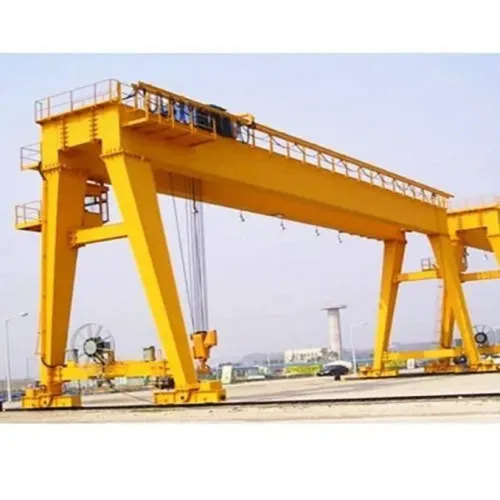
Chain hoists are useful where compact construction, moderate lifting requirements, and straightforward operation are important. Wire rope hoists are commonly selected for demanding industrial applications involving higher capacities, frequent operation, and integration with EOT or gantry crane systems.
Neither configuration should be selected without understanding the actual operating conditions.
Safety Starts With the Complete Lifting System
A reliable lifting operation depends on more than the hoist itself. Supporting structures, hooks, brakes, controls, limit switches, electrical systems, load paths, and operator practices all contribute to safe operation.
Routine inspection is equally important. Hooks, ropes, chains, brakes, electrical connections, and other wear components should be checked according to applicable maintenance procedures and manufacturer recommendations.
Operators should also avoid side pulling, uncontrolled load movement, lifting beyond rated capacity, and standing beneath suspended loads.
Better Lifting Can Improve Workflow
Correctly selected Industrial Hoists can reduce unnecessary manual handling while improving the consistency of repetitive lifting activities. They can also help facilities position components closer to machines and workstations, reducing inefficient material movement.
Desol Associated Engineers works with industrial lifting and material handling applications where equipment selection needs to reflect actual plant conditions rather than a one-size-fits-all approach.
For facilities across Ghaziabad's manufacturing clusters, evaluating load characteristics, working space, lifting frequency, travel requirements, and future production needs before choosing a hoist can result in a more practical lifting arrangement. The right system is ultimately one that supports safe, controlled material movement while fitting naturally into the facility's everyday workflow.
Keywords