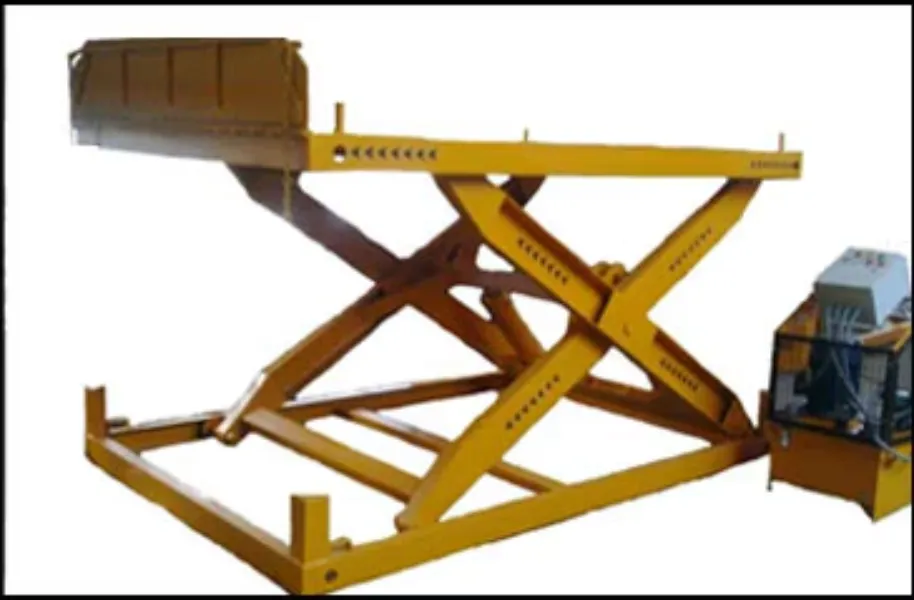
Warehouses serve as the link between production and distribution, making efficient loading and unloading essential for smooth operations. Delays at loading docks can affect delivery schedules, increase labour costs, and reduce overall productivity. One solution that has transformed warehouse operations is the hydraulic dock leveler.
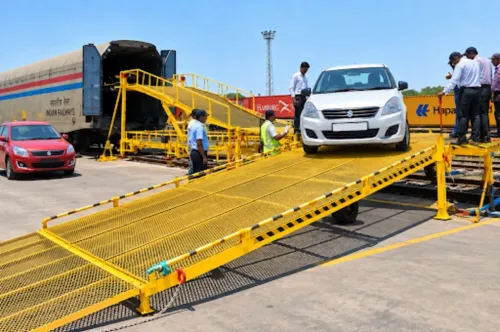
Hydraulic dock levelers create a safe and stable bridge between the warehouse floor and a vehicle, allowing forklifts and pallet trucks to move goods quickly and securely. As warehousing and logistics continue to expand in Ghaziabad, businesses are increasingly adopting hydraulic dock levelers to improve operational efficiency and workplace safety.
What Is a Hydraulic Dock Leveler?
A hydraulic dock leveler is a platform installed at the loading dock that automatically adjusts to match the height of different trucks and trailers.
This allows:
- Smooth forklift movement
- Safe pallet transportation
- Faster loading operations
- Efficient unloading
- Reduced handling delays
Unlike manual dock plates, hydraulic systems operate with minimal physical effort and provide consistent performance throughout the day.
Faster Loading and Unloading Operations
Every minute saved at the loading dock contributes to better warehouse productivity.
Hydraulic dock levelers help by:
- Reducing truck turnaround time
- Allowing continuous forklift movement
- Eliminating repeated manual adjustments
- Improving workflow during peak operations
This efficiency becomes especially valuable in warehouses handling multiple vehicle movements every day.
Improved Workplace Safety
Uneven height between trucks and loading docks creates significant safety risks.
Hydraulic dock levelers minimize these risks by providing:
- Stable loading surfaces
- Slip-resistant platforms
- Smooth equipment movement
- Better load stability
- Reduced operator fatigue
Many systems also include safety locks, emergency stop functions, and controlled hydraulic operation for additional protection.
Increased Productivity
Efficient loading docks directly influence warehouse output.
Hydraulic dock levelers support productivity by:
- Reducing waiting times
- Minimizing material handling interruptions
- Allowing simultaneous loading activities
- Supporting faster dispatch schedules
When loading operations become more efficient, the entire supply chain benefits.
Accommodating Different Vehicle Heights
Commercial vehicles vary in height depending on design and load.
A hydraulic dock leveler automatically adjusts to different trailer heights, eliminating the need for temporary ramps or manual positioning.
This flexibility allows warehouses to handle:
- Small delivery trucks
- Medium commercial vehicles
- Heavy transport trailers
- Container vehicles
without interrupting normal operations.
Reducing Product Damage
Rough transitions between docks and vehicles increase the possibility of damaged goods.
Smooth loading surfaces help protect:
- Palletized products
- Fragile materials
- Industrial equipment
- Finished goods
- Packaged inventory
Reducing product damage improves customer satisfaction while lowering replacement costs.
Lower Labour Effort
Manual loading solutions often require additional manpower.
Hydraulic dock levelers simplify operations by allowing operators to control the platform using simple hydraulic controls.
This reduces:
- Manual adjustments
- Physical strain
- Equipment repositioning
- Loading delays
Employees can focus more on productive warehouse activities rather than preparing loading areas.
Suitable for Multiple Industries
Hydraulic dock levelers are used in a wide variety of sectors, including:
- Manufacturing
- Logistics
- Food processing
- Automotive
- Pharmaceuticals
- FMCG distribution
- E-commerce fulfilment
- Industrial warehousing
Their versatility makes them valuable for businesses with frequent loading and unloading requirements.
Importance of Regular Maintenance
Like any industrial equipment, dock levelers perform best with routine servicing.
Maintenance should include:
- Hydraulic oil inspection
- Cylinder testing
- Hinge lubrication
- Platform inspection
- Safety mechanism checks
- Electrical control testing
Preventive maintenance reduces unexpected breakdowns and extends equipment life.
Choosing the Right Dock Leveler
Before selecting a hydraulic dock leveler, businesses should evaluate:
- Daily loading frequency
- Maximum load capacity
- Dock dimensions
- Vehicle types
- Warehouse layout
- Future operational growth
An engineered solution ensures reliable performance while supporting long-term warehouse efficiency.
Industrial equipment providers such as Desol Associated Engineers assist businesses in selecting dock solutions suited to their operational requirements. Many warehouse managers also review desolcranes.in to understand different loading dock systems before upgrading existing infrastructure.
Supporting Smarter Warehouse Operations
As logistics and manufacturing continue expanding across Ghaziabad, hydraulic dock levelers have become an important investment for improving warehouse performance. By increasing safety, reducing loading time, minimizing product damage, and enhancing operational efficiency, these systems contribute to smoother supply chain operations and long-term business productivity.
Keywords