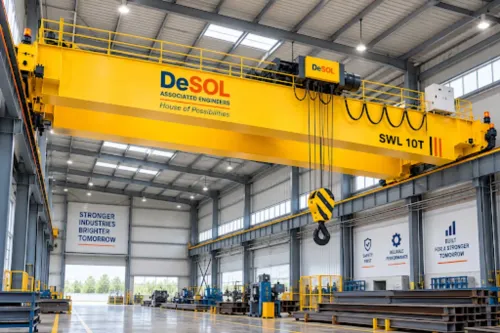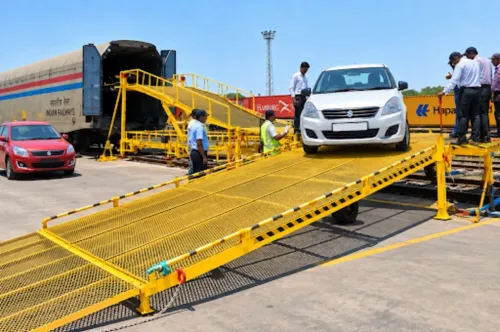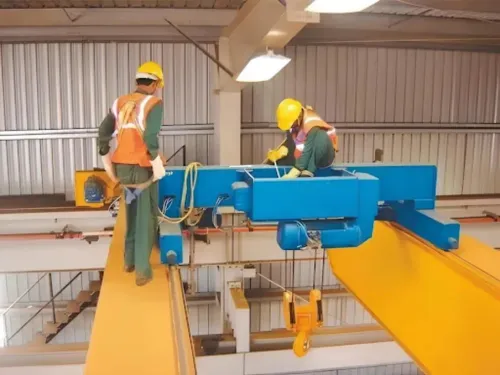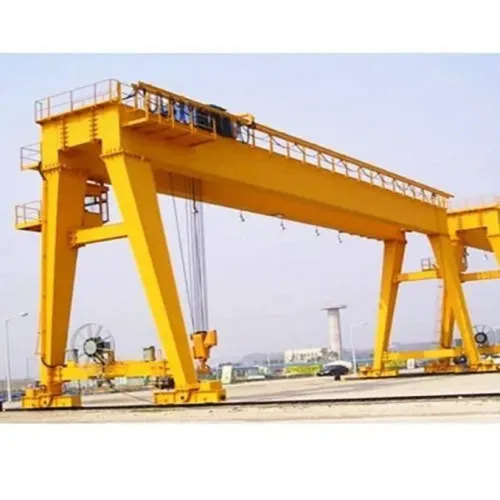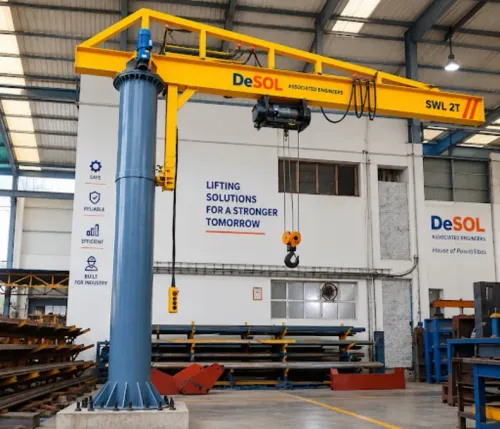
Industrial cranes perform thousands of lifting cycles throughout their operational life. Over time, continuous use causes normal wear on mechanical, electrical, and structural components. Regular crane inspection is therefore essential for maintaining safe operations, preventing unexpected failures, and extending equipment life.
For manufacturing facilities, warehouses, and industrial plants in Noida, following established crane inspection and lifting equipment safety practices helps reduce operational risks while ensuring uninterrupted production.
Why Regular Crane Inspection Is Essential
Routine inspections identify developing issues before they become serious safety hazards.
Benefits include:
- Improved workplace safety
- Reduced equipment downtime
- Early detection of wear
- Lower repair costs
- Better equipment reliability
- Extended service life
Preventive inspections are significantly more economical than emergency repairs caused by equipment failure.
Daily Visual Inspection
Operators should perform a basic inspection before starting daily operations.
Items to check include:
- Wire ropes
- Hooks
- Load chains
- Hoist operation
- Control buttons
- Emergency stop function
- Warning indicators
- Unusual noises
Daily inspections require only a few minutes but can prevent major operational problems.
Mechanical Component Inspection
Mechanical systems should be examined at scheduled intervals.
Important components include:
- Gearboxes
- Bearings
- Brakes
- Wheels
- Couplings
- Drums
- Fasteners
- Structural connections
Any signs of excessive wear should be addressed immediately.
Electrical System Inspection
Electrical faults are a common cause of crane downtime.
Routine inspections should verify:
- Control panels
- Motors
- Wiring
- Limit switches
- Contactors
- Sensors
- Power supply connections
Maintaining electrical reliability improves both safety and equipment performance.
Wire Rope and Hook Examination
The wire rope and hook carry the actual lifting load.
Inspectors should check for:
- Broken wire strands
- Corrosion
- Rope deformation
- Excessive wear
- Hook cracks
- Hook opening deformation
- Improper lubrication
Replacing damaged lifting components before failure is essential for safe operation.
Load Testing and Performance Evaluation
Periodic load testing confirms that the crane continues to operate within its rated capacity.
Testing generally evaluates:
- Lifting capability
- Brake performance
- Trolley travel
- Bridge movement
- Load stability
- Operational controls
Performance testing helps verify the overall condition of the crane.
Importance of Operator Training
Even the safest equipment depends on responsible operation.
Operators should receive training on:
- Safe lifting procedures
- Load limits
- Proper rigging techniques
- Daily inspection routines
- Emergency procedures
- Hazard identification
Continuous training helps reduce operator-related accidents.
Maintaining Inspection Records
Accurate maintenance records provide valuable information for future servicing.
Documentation should include:
- Inspection dates
- Identified issues
- Repairs completed
- Component replacements
- Load test reports
- Maintenance schedules
Well-organized records simplify maintenance planning and demonstrate compliance with safety requirements.
Partnering with Qualified Inspection Professionals
Comprehensive inspections require experienced technical personnel who understand industrial lifting systems.
When selecting an inspection provider, businesses should consider:
- Engineering expertise
- Inspection procedures
- Technical qualifications
- Reporting standards
- Maintenance capabilities
- Industry experience
Professional inspections provide confidence that lifting equipment remains safe and reliable.
Organizations such as Desol Associated Engineers assist industries by providing engineering support for crane inspection, maintenance, and lifting system evaluation. Many industrial buyers also consult desolcranes.in to learn about recommended inspection practices and maintenance solutions for different types of crane systems.
Building a Safer Industrial Environment
For industries throughout Noida, regular crane inspections are an essential part of responsible equipment management. Combining routine visual checks, scheduled preventive maintenance, operator training, and professional inspections helps improve workplace safety, minimize downtime, and extend the operational life of industrial lifting equipment. A consistent inspection program not only protects valuable assets but also contributes to a more productive and reliable manufacturing environment.
Keywords