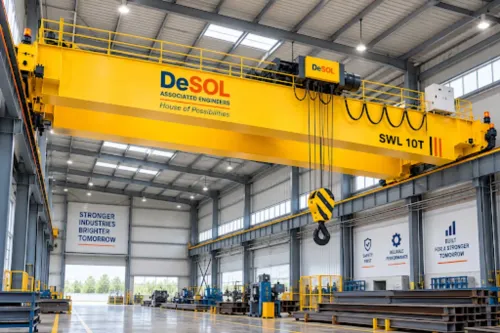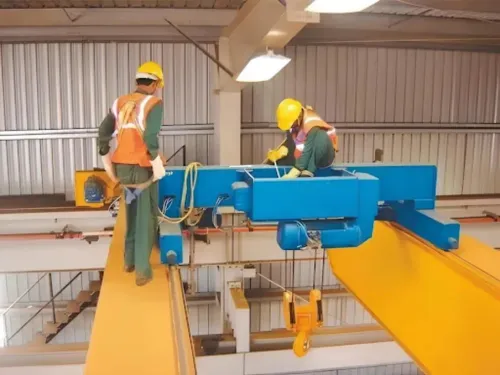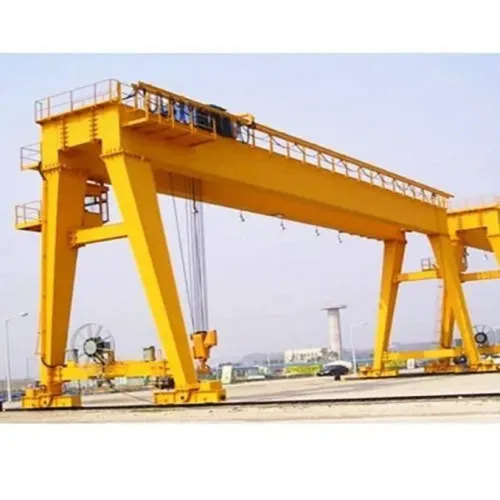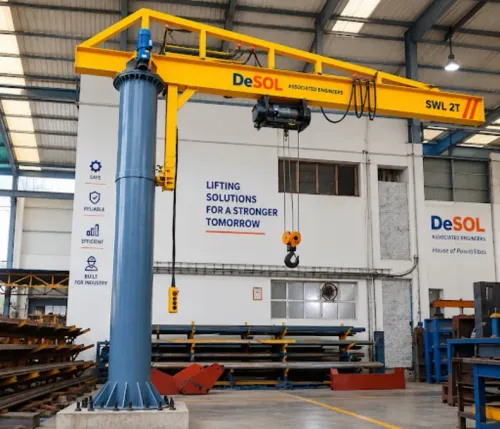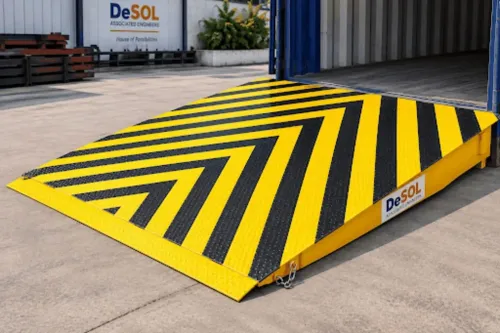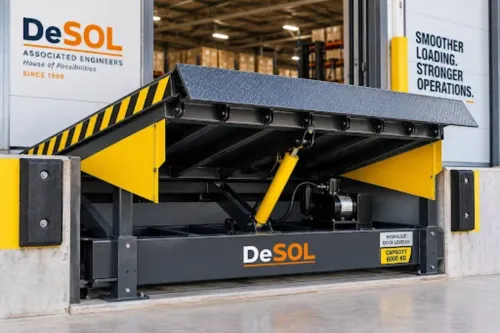
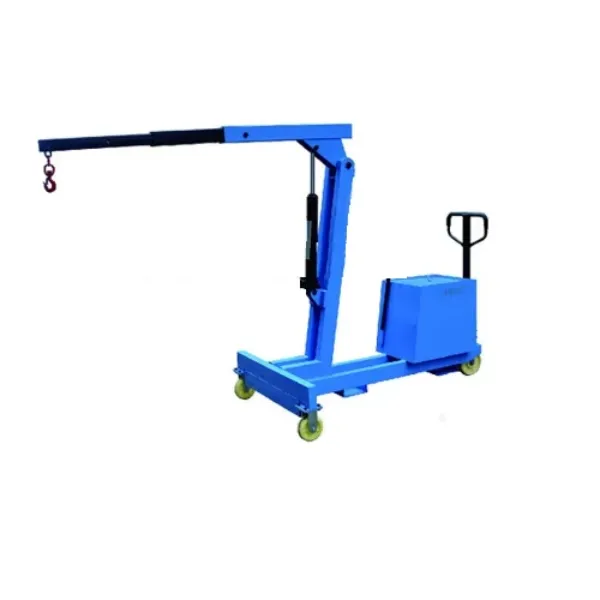
Industrial cranes operate in demanding environments where continuous lifting, repetitive movement, and heavy loads place constant stress on mechanical and electrical components. Without regular maintenance, even well-engineered cranes can experience unexpected breakdowns that interrupt production and increase repair costs. An Annual Maintenance Contract (AMC) for industrial cranes provides a structured approach to keeping lifting equipment safe, efficient, and reliable throughout the year.
For manufacturing facilities and warehouses in Faridabad, an AMC is not just a maintenance service it is an investment in operational continuity.
What Is an Annual Maintenance Contract?
An Annual Maintenance Contract is a planned service agreement under which qualified technicians inspect, service, and maintain industrial cranes at scheduled intervals.
Depending on operational requirements, an AMC may include:
- Routine inspections
- Preventive maintenance
- Mechanical servicing
- Electrical system checks
- Lubrication
- Performance testing
- Safety inspections
- Replacement recommendations
Instead of waiting for failures, businesses follow a proactive maintenance schedule.
Reducing Unexpected Downtime
Equipment failures often occur at the most inconvenient times.
Scheduled maintenance helps detect:
- Worn bearings
- Brake wear
- Wire rope deterioration
- Electrical faults
- Gearbox issues
- Misalignment
Correcting these issues early minimizes production interruptions and costly emergency repairs.
Extending Equipment Life
Industrial cranes represent a significant capital investment.
Regular maintenance protects that investment by:
- Reducing component wear
- Maintaining proper lubrication
- Preventing corrosion
- Keeping mechanical systems aligned
- Improving overall equipment performance
Properly maintained cranes often deliver dependable service for many years.
Supporting Workplace Safety
Routine inspections improve workplace safety by ensuring critical components remain in good condition.
Technicians typically examine:
- Hooks
- Wire ropes
- Hoists
- Brakes
- Motors
- Control panels
- Safety switches
- Travel mechanisms
Identifying potential failures before they occur reduces operational risks.
Better Maintenance Planning
Without an AMC, maintenance often becomes reactive.
A planned contract allows businesses to:
- Schedule inspections in advance
- Coordinate maintenance with production
- Minimize operational disruption
- Maintain detailed service records
This organized approach improves overall equipment management.
Lower Long-Term Operating Costs
Preventive maintenance generally costs less than emergency repairs.
Businesses often save money through:
- Reduced breakdown frequency
- Lower replacement costs
- Improved equipment efficiency
- Less production downtime
- Better spare parts planning
Over time, these savings can significantly outweigh the cost of regular servicing.
Compliance and Documentation
Many industries require documented maintenance records for safety and operational audits.
An AMC helps maintain:
- Inspection reports
- Service history
- Repair records
- Component replacement logs
- Safety check documentation
Well-maintained records also support future maintenance planning.
Selecting the Right AMC Provider
Before signing an Annual Maintenance Contract, businesses should evaluate:
- Technical expertise
- Response time
- Availability of spare parts
- Inspection procedures
- Qualified service engineers
- Experience with different crane types
A knowledgeable maintenance partner contributes directly to equipment reliability.
Companies such as Desol Associated Engineers provide maintenance solutions designed around the operational needs of industrial lifting equipment. Many organizations researching long-term crane care visit desolcranes.in to understand maintenance programs and engineering support available for different crane systems.
A Smarter Approach to Crane Maintenance
For manufacturers and industrial facilities throughout Faridabad, an Annual Maintenance Contract provides peace of mind by reducing unexpected failures, improving workplace safety, and extending equipment life. Rather than reacting to breakdowns, businesses can keep their cranes operating efficiently through planned inspections and preventive maintenance, ensuring reliable material handling that supports uninterrupted production and long-term operational success.
Keywords